
Shared dialogues and cinema-science knowledge transfer during the LIPSea-M expedition to Curaçao
Shared dialogues and cinema-science knowledge transfer during the LIPSea-M expedition to Curaçao
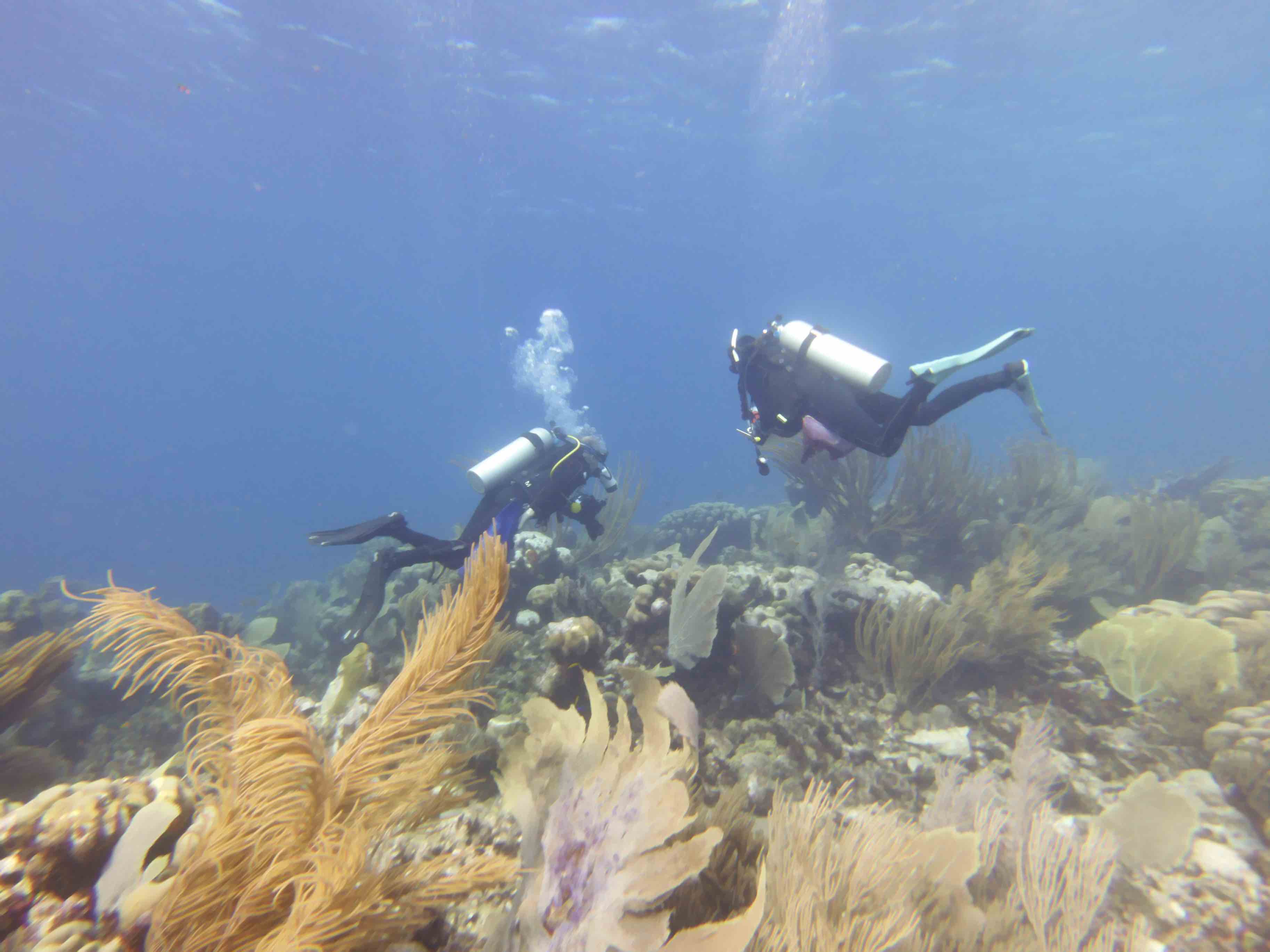
LIPSea-M creates a space for interdisciplinary creation and research between cinema and science, aimed at developing experimental methodologies capable of visualizing the “potential images” of the climate crisis within marine ecosystems.
Following the first expedition carried out in October 2025 at Cap de Creus, and in connection with fieldwork sessions titled “Exploring Symbiotic Systems in the Western Mediterranean,” this new expedition places the project’s work within a tropical context, expanding the ecological and comparative perspective of the research.
LIPSea-M is the first project of the Potential Images Laboratory, created jointly with the Microbial Ecology and Evolution Lab at the IBE (CSIC-UPF). The Laboratory is an ARSENAL UPF program in collaboration with En Residència, funded by the Daniel & Nina Carasso Foundation within the call Componer saberes para imaginar y construir futuros sostenibles.
Curaçao as an expanded laboratory
Between February 10 and 15, 2026, the expedition took place in Willemstad (Curaçao) within the framework of an international workshop on Marine Microbial Ecology and Evolution, held at the CARMABI research center (Caribbean Research and Management of Biodiversity).
The microbiologist Javier del Campo (Principal Investigator) and predoctoral researchers Joana Krause-Massaguer and Rocío Mozo (IBE, CSIC-UPF) conducted underwater dives and coral sampling campaigns, later processing the tissues in field laboratories installed near the coast.

The main objective was to analyze and compare the processes of Mediterranean tropicalization with the dynamics characteristic of Caribbean coral ecosystems, focusing particularly on how corals and their symbiotic microbial partners respond to thermal stress under the current climate crisis. More specifically, Joana studies the protist symbionts of Mediterranean corals and their epibionts, while Rocío investigates the evolutionary history and diversity of coral photosymbionts globally.
Cinema and science in dialogue
At the same time, the Potential Images Laboratory team, composed by Santiago Fillol (Principal Investigator), Ariadna Cordal and Anna Mundet, accompanied each stage of the scientific process: the planning of dives with lists of species of research interest, underwater dives and sampling, and the processing of samples in the laboratory.
The project was documented using multiple cinematic devices (digital and underwater cameras) with the aim of generating a shared visual archive between researchers and filmmakers. With this material, an expanded film project will be developed, crossed by actions of citizen participation and knowledge transfer that foster renewed social and community awareness about the effects of the climate crisis on our sea. In these actions, the IBE and its head of communication, Pilar Rodríguez, play a special role.
This work continues to develop the central concept of the project: “potential images.” These are images that still exist within scientific instruments (microscopes, sequencers, or molecular data) and require a process of cinematic and sensory translation in order to be perceived and shared with society.
Correspondences between the Caribbean and the Mediterranean
The experience in Curaçao has made it possible to situate the Mediterranean within a broader comparative framework. The processes affecting Mediterranean corals (rising temperatures, ecosystem transformations, and the reconfiguration of symbiotic relationships between species) cannot be understood in isolation.
The Caribbean offers a natural laboratory in which to observe similar dynamics in tropical ecosystems, allowing correspondences to be established between seas that are geographically distant but ecologically connected.
In this sense, the journey has contributed to building a shared narrative between territories in which the Mediterranean and the Caribbean appear as parts of the same ocean affected by the climate crisis.